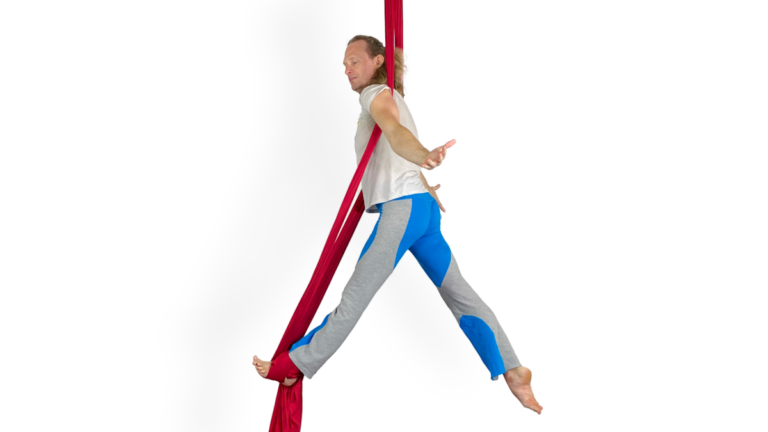
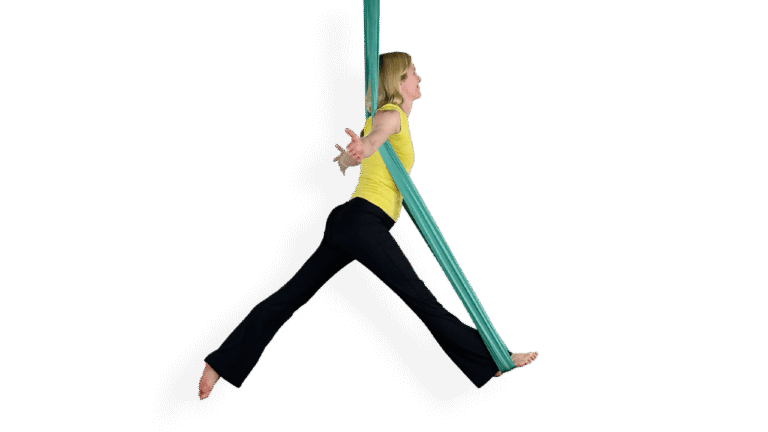
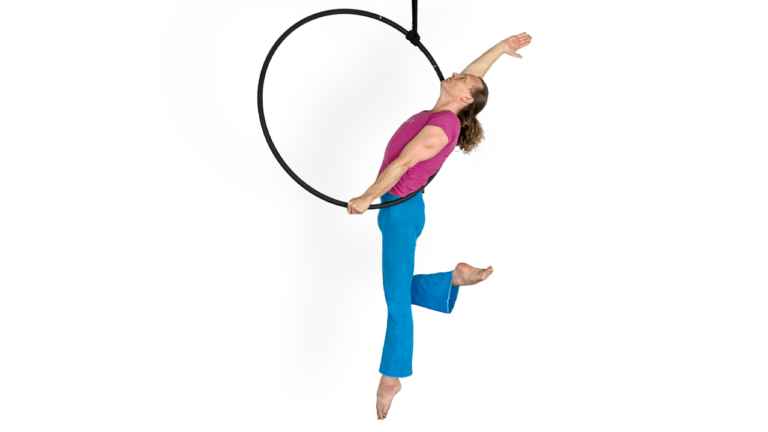
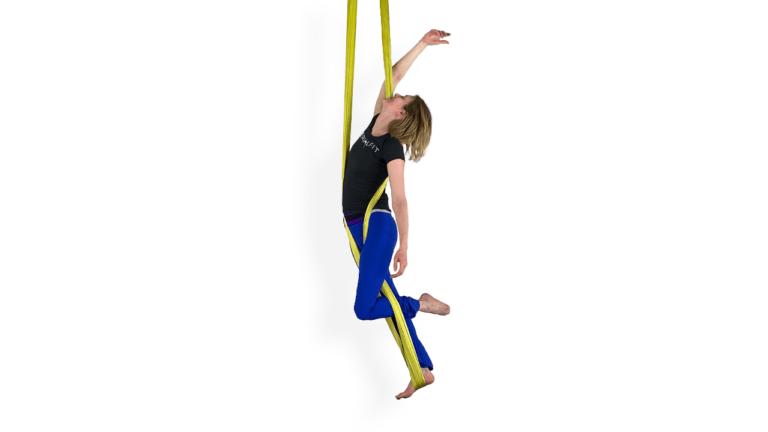
Cross training is great, but have you tried cross playing? If “cross playing” isn’t a term yet, we think it should be. Cross training is a great way to build strength and improve mobility. Cross apparatus play builds something even more powerful: curiosity.
From the beginning, playing on other apparatuses has been part of our aerial joy. You don’t need a buddy to explore a new apparatus (as long as you’re not training alone), but having a play buddy makes it more fun, especially if they have experience on the apparatus you’re trying.
Being on someone else’s favorite apparatus is like dipping into a new culture. Even if the movements feel like a different body language, you can almost always pick up something that catches your imagination. It’s like a souvenir you can bring back to your own favorite apparatus that can light up entirely new paths.
It’s playful. It’s productive. And it sneaks in some serious benefits, like fresh ideas, a reminder of what it’s like to be a beginner, and a gentle spotlight on weak spots you didn’t know you had.
There’s also a subtle flip side: inviting someone else to play on your favorite apparatus. If you can take on the role of a welcoming host, you may learn even more than your guest. Seeing your own apparatus through new eyes is like catching a glimpse of something you’ve walked past a hundred times but never really noticed.

We don’t use these exact terms in the studio, but for the sake of this blog, we’ll call the person playing on their own apparatus the “host.” The host has one main job: keeping the focus on accessible skills. That means choosing movements that aren’t too nuanced or super intense in either sensation or fear management. It is important to remember, your guest is there to help you find a new path that leads to a gem on the side of the road. Maybe even one you’ve walked past for years.
The “guest,” on the other hand, should arrive ready to feel awkward. They aren’t there to get a structured lesson on a new apparatus. Playing the beginner is part of the magic. They’ll likely move less efficiently, forget steps, and blur the lines between techniques. That’s okay, in fact that is kind of the point.
There is probably a reason why the host and the guest don’t like each other apparatuses as much. No one should be trying to convert anyone and there is nothing good to be gained by hating on each other’s apparatus. That’s just gross and rude.
First, we try to pair up with someone who has a similar overall experience level in aerial. It’s not required, but it tends to keep the play more fluid. Note: If the experience levels are different, we just adjust the vibe to make sure everyone still gets something meaningful out of it.
If the group doesn’t already train together often, we like to start with sharing our favorite ground warm ups. It sets the tone of curiosity. Then we’ll share a warm up that uses the apparatus but keeps at least one foot on the floor.
Here are a few of our favorites:
It’s nice for the host to have a project in mind. Not an advanced skill or a new trick for the host, but something more exploratory or creative. A different way to mount. A new pause point. Transform a conditioning drill into a dramatic bit of choreography. Something relatively gentle that invites experimentation.
Sometimes we’ll play a game like “follow the leader,” but with a twist. The guest’s ideas or movement carry extra weight. If the guest makes a change, intentional or not, then that becomes the new path. We also agree to basic guidelines in advance. Things like:
Another favorite project is building a beginner sequence. We use the word “beginner” with full respect. It doesn’t mean boring. It means the sequence asks for less strength, mobility, or nuanced control of the apparatus. In this project, especially if everyone has a similar experience level, the guest can stray beyond truly beginner material. A lot of times, nuanced control carries over beautifully from one apparatus to another, and that’s where fun surprises can happen.
Whether you’re a host or a guest, wandering to another apparatus for some cross apparatus play is one of our favorite ways to stay curious, build community, and uncover overlooked gems.