
Aerialist Shoulders

Teaching and Training Concepts |
Guest
Shoulder Care for Aerial Silks and Hoop

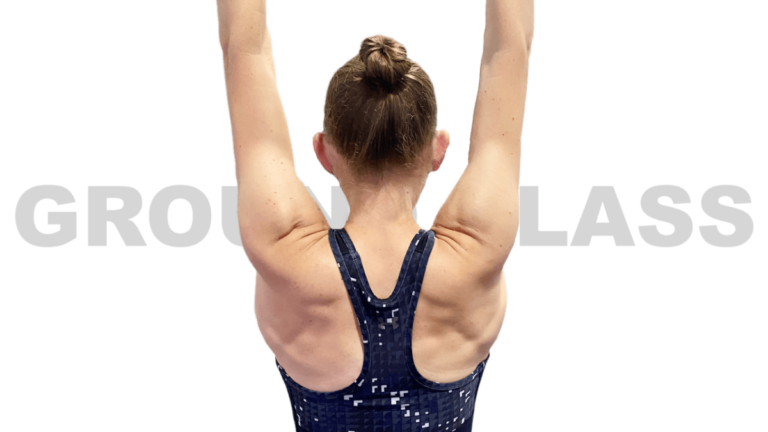
Shoulders are to an aerialist like hips are to a dancer. They are the foundation of much of our movement. Dancers push up off the floor and aerialists pull down from the ceiling. Our shoulders need to be strong through all ranges of motion and especially at their end range of motion with the arms overhead. It requires great care to keep our shoulders strong, happy, healthy, and working at peak performance.

Did You Know?

Arms overhead is often considered an extreme range of motion! There aren’t that many sports aside from aerial and acrobatics that rely so strongly on arms doing so much in that range of motion.

In yoga or dance the arms may often be overhead, but less often bearing weight and even less often bearing weight while moving! Now take a look at aerial acrobatics.

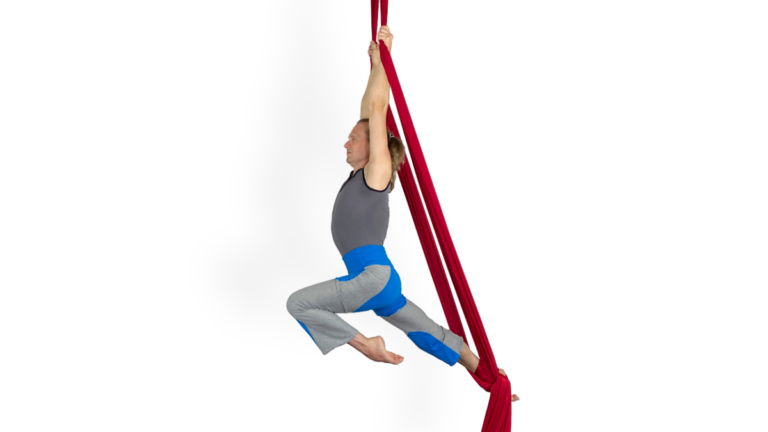
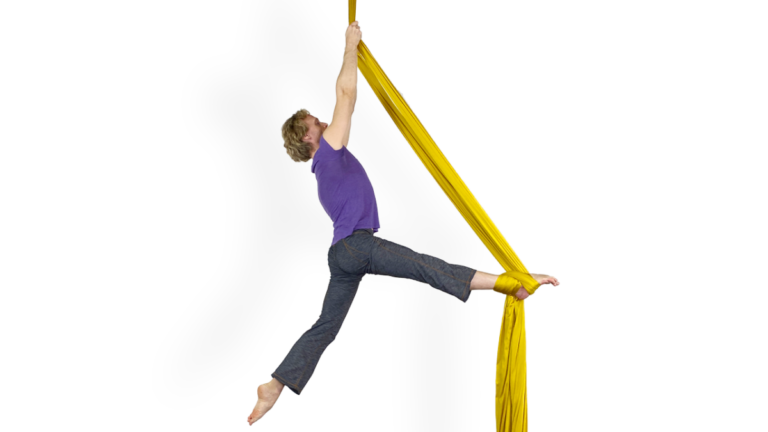
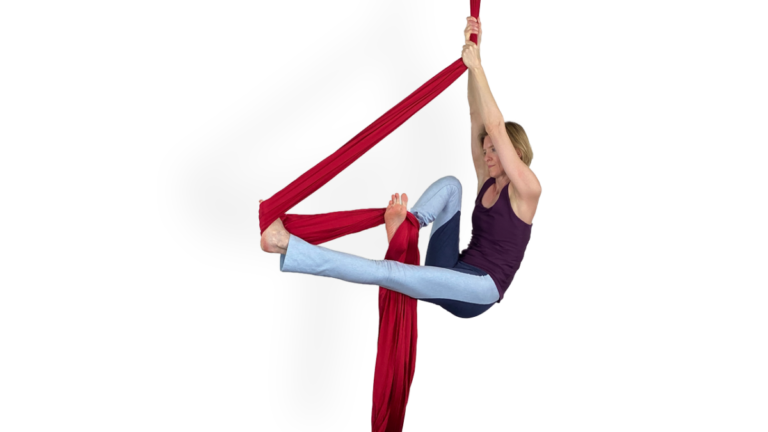
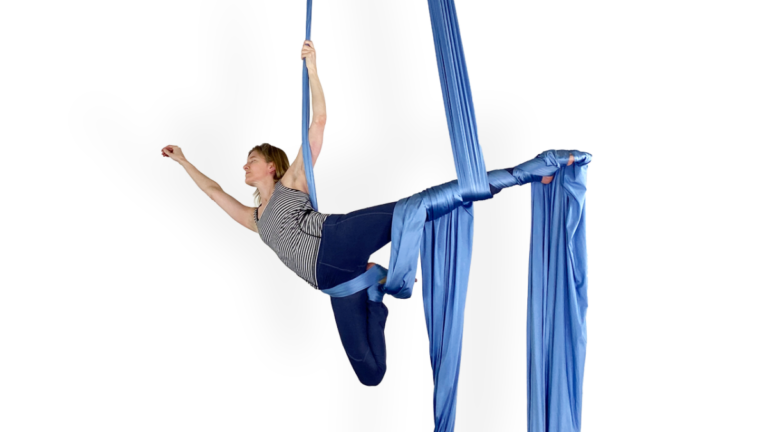
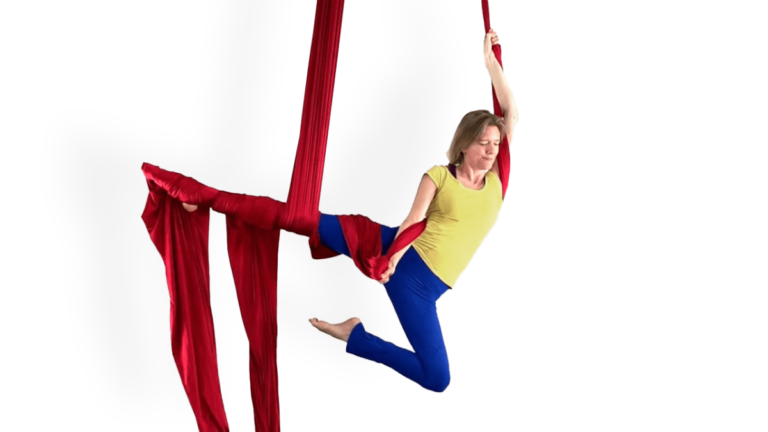
Here are some examples of beginner aerial silks skills that are all with the arms over the head.

Level 1 |
Conditioning
Level 1 |
Footlocks
Level 1 |
Footlocks
Level 1 |
Footlocks

So when a beginner comes into an aerial class, they are often being asked to start right away with the arms at what most consider an extreme range of motion. Not only that, but they’re going to be asked to hold at least some of their weight and be strong in that position!

Compensations

If someone has never spent that much time or exerted effort with the arms overhead, then it makes sense that that range of motion will be underdeveloped. Our bodies are very adept at finding ways to compensate. One of the most common ways to compensate to get the arms over the head is to arch the back and tilt the pelvis forward.

This is why aerial teachers need to be patient and persistent (over time). But the good news is there’s a lot of potential for strength and mobility to be built quickly if training is approached with care.

Self Care for the Shoulders

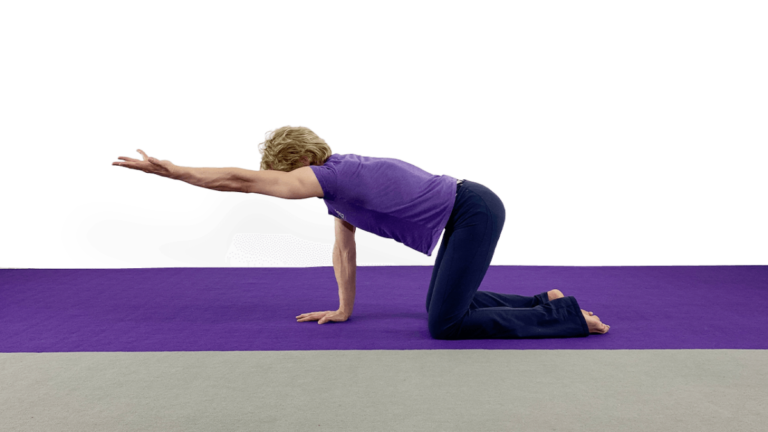
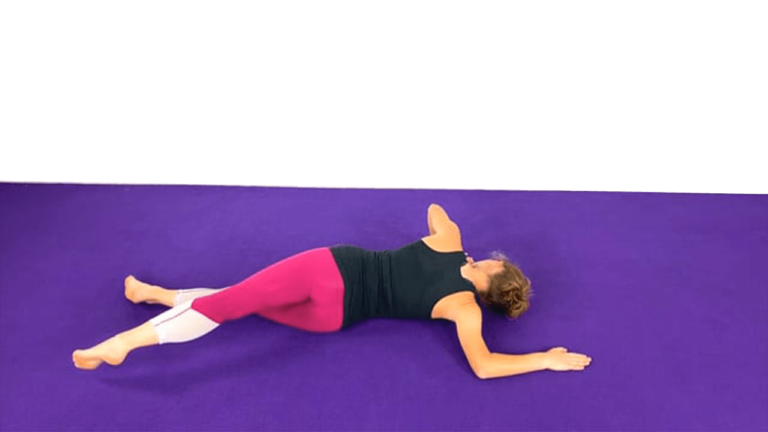
The best self care for our shoulders is Pre-hab and it is so important! Pre-hab involves doing a lot of the same types of exercises that are often used in rehab, but using them preventatively. These types of exercises often involve small targeted movements and are intended to work very specific muscle actions.

We can also incorporate pre-hab into our class planning. In the long-term we start students working on warm up drills and easier variations of the skill that will prepare students’ shoulders over time. In the short-term we will often introduce a new skill that has a challenging shoulder action by having students review easier variations with the same or similar action. 

By doing this planning both long-term and short-term we can prepare the shoulder muscles to move and engage correctly. 

Drill |
Shoulders & Grip
Drill |
Shoulders & Grip
Drill |
Shoulders & Grip

Starting Slow

There are so many great reasons to start slow. Like a well written story, every skill should have an introduction, a build up, an exciting climax, and the satisfying resolution. This approach helps students succeed, it builds empowerment, and it protects the shoulders.

That’s why when we work with beginners we approach weight-bearing skills very slowly. In fact, our beginners work through many ranges of motion with their weight supported either in the floor, or in a footlock or knot, or standing on a trapeze, or in any other creative way that can take weight out of the shoulders. As the shoulder builds strength and mobility over time we introduce more weight-bearing options.

This approach isn’t just for beginners.

Yes, more advanced students typically have stronger shoulders with a greater range of motion, but they are also doing skills that are more challenging for the shoulders. So before jumping into something extreme, it is always smart to prepare the shoulders.

Here are some examples:

Level 1 |
Conditioning
Haffy Taffy before Half Iron T

Haffy Taffy is a great way to work on the muscle actions needed in a Half Iron T, but the feet are on the floor so we can choose how much weight to put into the shoulders.

Level 2 |
Miscellaneous
Half Iron T

Holding weight in the air can be a big commitment. Having warmed up the muscles in advance will go a long way to helping students feel ready to take on this skill.

Level 2 |
Footlocks
Crocodile Roll Up before Music Box

Music box is usually a confusing skill to learn for the first time and it can be a lot on the shoulders. With the student’s mind so focused on technique for Music Box, they can forget to protect their shoulders. Crocodile Roll Up is very similar and it will give the shoulders a chance to warm up and help familiarize the student with a similar pathway.

Level 3 |
Footlocks
Music Box

Music Box is so much easier to learn when the shoulders are ready to be fully engaged.

Checking In

Always checking in with the shoulder is really important for anyone who loves aerial and wants to continue for a long time. Using assistance to train the shoulder through more extreme ranges of motion, and working up to challenging skills over time, is so important. 
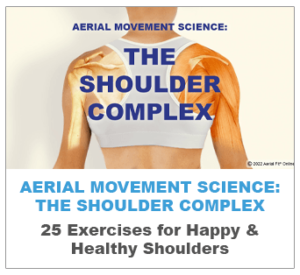
Happy and Healthy Shoulders for Aerialists

One way to check in is to go through a variety of shoulder health exercises. Even if you aren’t injured, shoulder exercises can prevent injuries from happening by identifying weaknesses to be aware of.

And we always recommend checking in with a physical therapist for questions about any specific shoulder pain or dysfunction. You only get one body, and it’s important to take good care of it!

Leave a Reply

Your email address will not be published. Required fields are marked *