Mistakes and Mastery Go Hand in Hand

Teaching and Training Concepts |
Guest
Mistakes Go Hand in Hand with Mastery Aerial Arts Teaching concepts

Learning a new aerial skill is rarely a straight line. It’s a winding path full of insights, steps forward and steps backward, lots of failed attempts, and so many of those “almost got it” moments. Even though the path to success is rarely a straight line, it seems like some of the twists, turns, and learning curves are universal. Most students make the same or similar mistakes. That’s why Aerial Fit Online tutorials include a Common Mistakes section.

This section isn’t just about what not to do and it isn’t there to call anybody out, but rather understanding the common mistakes will help you and your students move forward with more clarity. It may be better to think of the section less of a warning of possible hazards, and more of a tool to create a shortcut to understanding the deeper “why” behind a movement, and a window into how experienced teachers think about progressions.

What Counts as a “Mistake,” Anyway?

We think about mistakes and doing things wrong a lot in our aerial curriculum— but what do we actually mean by it?

Here’s a quick analogy we use often:

If you ask a student to spell “feline” and they write “cat,” it’s not wrong — but it’s not the answer that shows they understood the assignment. If they spell “felon,” that’s a real word too, but definitely not what they meant.

Same goes in aerial. Intent and context matter.

If someone enters a skill in a way that’s close but not quite right — like wrapping the leg in the wrong direction or using arms to initiate a movement when they should be using hips instead — it might look okay at first. But it won’t feel smooth, and it won’t set them up for long-term progress. So how do we define a “mistake”?

We consider a mistake anything that:

  • Prevents you from completing the skill safely, efficiently and smoothly.
  • Creates bad habits that make it harder to add on to the skill, transition smoothly within the skill, or enter and exit the skill from different pathways.
  • Conflicts with your studio or teacher culture. Or in other words, something may be a mistake in one aerial studio, but not another.


And here’s what a mistake is not:

  • It’s not something bad.
  • It’s not something to feel ashamed about.
  • And it definitely doesn’t mean you’re not good at aerial.


Mistakes Are Part of Learning — And That’s a Good Thing

At AFO, we never blame or shame students for making mistakes. That’s a core part of our teaching culture.

We want our students to feel safe, curious, and open to exploring. That’s where real learning happens. Most of the time, students want to know when something isn’t quite working — they just don’t always know how to spot the issue or figure out what to change. That’s exactly why we’ve made Common Mistakes a key part of our curriculum and built the section into every tutorial in our online libraries.

This section helps you recognize what’s really going on when a skill doesn’t look or feel quite right. It gives you insight into why the mistake might be happening — not just pointing out what’s “wrong,” but explaining what’s behind it. And most importantly, it shows you how to fix or prevent the issue using targeted drills, thoughtful progressions, and teaching strategies that actually work.

We’re not just naming problems. We’re giving you the tools to solve them.

Mistakes and Mastery Go Hand in Hand

Our goal is always to help students master the skills we teach — and we don’t believe it is possible to master a skill without making mistakes. Just like mistakes, Mastery depends on context. To some extent, you can define mastery how you want, but it should be consistent with your school and teaching culture, and uphold your safety standards. So, what does mastery mean at AFO? Here is the end goal of every skill we teach.

To master a skill, you should be able to:

  • Do it with ease.
  • Effortlessly add on to it without exhaustion or confusion.
  • Enter and exit the skill from multiple pathways, including direct entrances that aren’t part of previous choreography.
  • Do all of it safely, in a way that works for your body.


So another way to think of a “mistake” is anything that slows down the process of mastering a skill — either by preventing you from doing the skill or by building habits that limit your options later on.

Our Common Mistakes videos are designed with this in mind. They highlight the small missteps that might be holding you back from that kind of confident, adaptable movement. If you’re skipping that section? You’re probably missing some of the clearest insight we offer.

We Don’t Just Point Them Out — We Help You Fix Them

In our own classes, we put a lot of effort into preventing common mistakes before they even show up. One of the ways we do that is by teaching skills in small, manageable steps — with lots of chances for students to pause, check in, and succeed before things start to feel overwhelming.

The Common Mistakes section follows that same philosophy. It helps you notice patterns when something just isn’t working, and gives you a clearer picture of why it’s happening in the first place. Instead of leaving you guessing, it helps you figure out what to adjust — whether that’s a drill, a cue, or a different prep step — so the skill can work better and feel better, too.

It’s also a great way to sharpen your teacher’s eye. Whether you’re leading a class or training on your own, learning how to catch mistakes early — and respond without judgment — is one of the most valuable tools you can carry with you in the air.

Here are some examples from our tutorials

Level 2 |
Climbs
Russian Flirt Climb

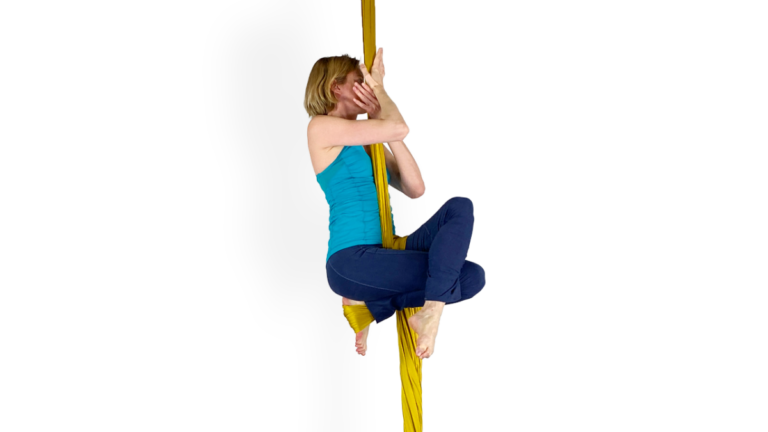
Getting the tail set smoothly on the leg is challenging in this climb, but doing it smoothly with control is also the key element that lets us build on the climb later on to add more advanced transitions to it later. Our common mistakes section breaks out the most common reasons why this happens, and suggests drills to fix the issue.

Level 2 |
On Bar
Belly Roll

Making it around with a lot of clambering and shuffling isn’t that hard, but we want our students to control the motion with their legs so they can do the roll smoothly with no pauses and no tempo changes and minimal with minimal hand adjustments. The Belly Roll pathway appears in so many advance skills that taking the time to troubleshoot the motion here, will prevent a lot of students plateauing later on.

Level 2 |
Roll Ups
Alternating Thigh Roll Up

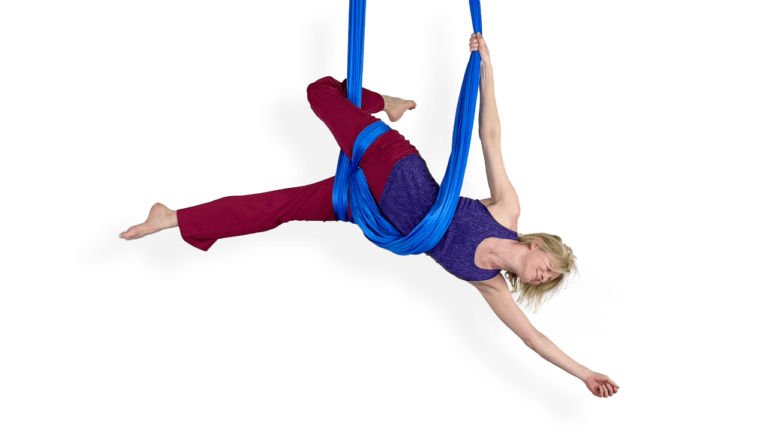
This skill is a key part of our curriculum as students move up into higher level classes on aerial sling. Making the roll-ups smooth and effortless requires strong and smart hip actions that come up again and again in higher level skills on sling.

Don’t Skip The Common Mistakes Section — It’s There to Help You Get Better, Faster

If you’ve been skipping the Common Mistakes section, now’s the time to start using it. And if you’re already using it — awesome. Keep going!

These tutorials aren’t just skill demos. They’re full teaching tools. Every section serves a purpose. And this one? It’s all about helping you (and your students) train with more clarity, confidence, and long-term success.


Want to Get More Out of Your Tutorials?

Already a member?
Log in and open your next tutorial. Take a closer look at the Common Mistakes section. It might be the one thing that clears up what’s been holding you back.

Not a member yet?
Join us today and unlock every tutorial — cross-linked with all the building blocks, related drills, progressions, sequences, and more. It’s not just a library — it’s a full learning system.

Have questions or want help getting started?
Send us a message. We genuinely love chatting about this stuff — whether it’s a quick question or a deep dive into your training.

Leave a Reply

Your email address will not be published. Required fields are marked *