Planning Ahead: Next Steps & Future Goals for Aerialists

Teaching Concepts |
Guest
Aerial Fit Online Planning Ahead Aerial Silks, Hoop Sling Trapeze Class Planning

This is a series we are doing on simplifying the complexity of Aerial.

In the last article we talked about Variations, and how we think about similar Variations of a skill not as their own unique skill, but as related versions of another skill. Less to memorize, more to understand!

Similarly, Next Steps & Future Goals are categories that we have in mind as teachers, so that when we’re teaching a certain skill to our students, we can focus our cueing on the most important concepts we want them to remember long term.

Organized teaching brain:

As teachers we’re always trying to meet our students where they’re at, and move them one step further towards their goal. Once the skill we’ve been teaching them has been mastered, then where will we take them next? There are so many possibilities.

Next Steps and Future Goals are similar to each other, but different. Next Steps implies something we could teach right away, perhaps in the next class. Future Goals are longer term projects that we’re working towards over time. They might only be introduced months or even years down the line.

Here’s another way to say the same thing. Next Steps are one reason why our students are learning the skill. They are learning Skill A so they can then do Skill B (if that is their goal).

Future Goals are why students need to be really good at the skill. If they want to do skill C, they need to be really, really good at Skill A. Keeping Future Goals in mind means that even beginner level students can be working on understanding advanced concepts early on. It’s why once students move into that next level, so many skills are unlocked easily! It’s also why students who stay in the same level for a long time always have new details to focus on. They are never learning the same thing over and over, but always learning more depth and becoming stronger and smarter aerialists knowing that all skills share many things in common.

Level 1 |
On Bar

Here’s an example on Aerial Hoop:

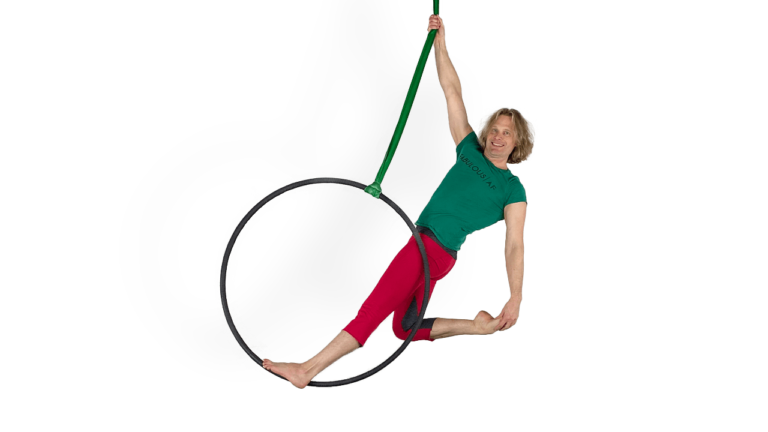
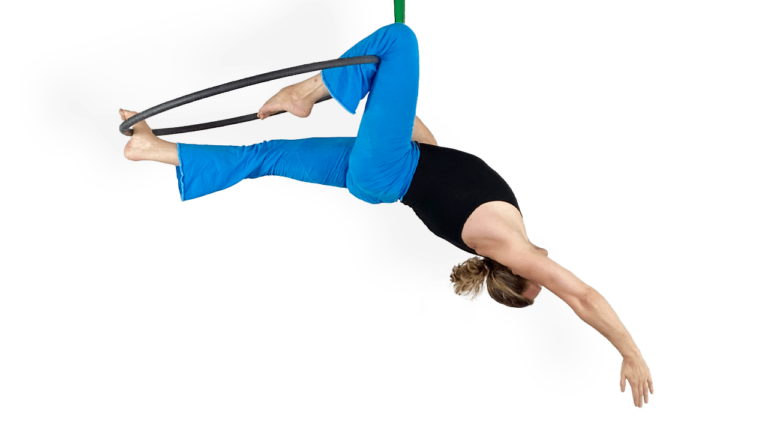
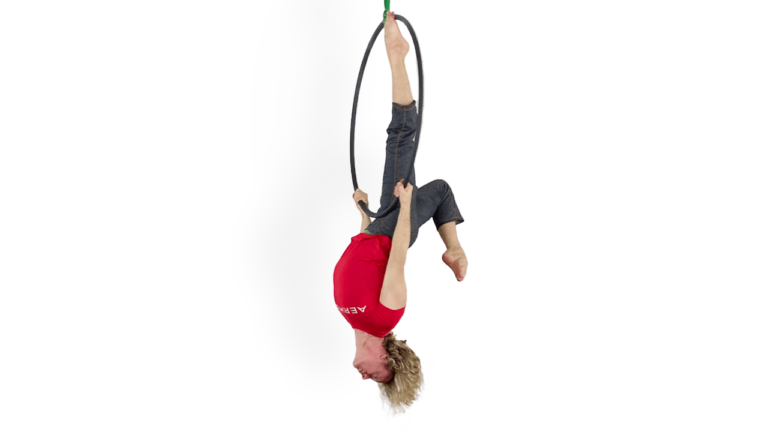
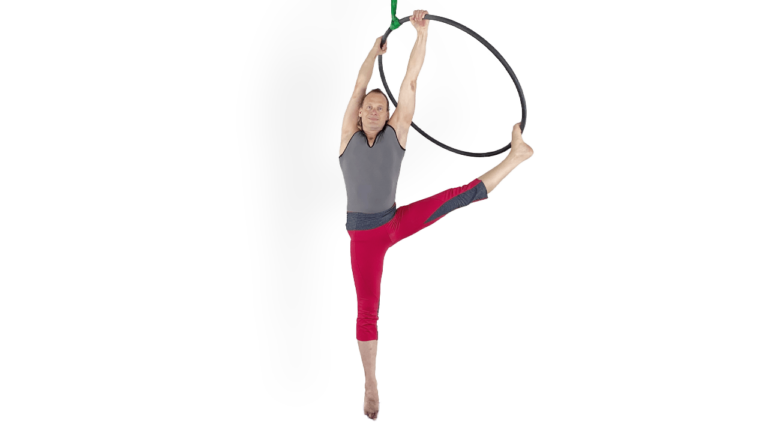
The Skill called Splits Down Behind on aerial hoop is a wonderful beginner skill. Once students have learned it and are comfortable with it, then they can start working on these Next Steps.

Owl

Level 1 |
On Bar
Level 1 |
On Bar
Level 1 |
On Bar
Level 1 |
Top Bar
Level 1 |
On Bar
Level 1 |
On Bar

But then, it is still important for students to keep coming back to Splits Down Behind. We want our students to master this skill so they can get better active splits in the air and build significant endurance for hanging from their hands while they are pressing tension into the hoop. So that they can be rock stars when it comes time to learn these future skills.

Level 2 |
Momentum
Level 2 |
On Bar
Level 2 |
Top Bar
Level 3 |
Top Bar

Plan It Out

This might seem like a lot, but this is how we think of it. Aerial is a creative and ever expanding art form, and there is so much to learn and discover. If we think of each movement, or skill, as a separate thing to be learned, then our brains would explode with the excess of information. When we can draw relations between skills, actions, supports, and all that we do in the air, it makes learning easier because we’re taking knowledge we already have, and applying it to new situations.

So when we teach Skill A, our students take key concepts they’ve learned and apply them to a new very similar situation right away (Next Steps). Then when they get to a more advanced skill, that has many more concepts, they can draw on the variety of skills they’ve learned earlier and apply that knowledge and understanding to mastery of a brand new more complicated aerial skill (Future Goals).

An example from our studio

We started really emphasizing Future Goals with our own teachers once we started noticing a bit of a disconnect between our instructors who were teaching beginner students and our instructors who were teaching more experienced students.

Certain cues that are perfect for beginners may not be accurate anymore for more advanced students and skills. And cues that are perfect for advanced students are often simply too much detail, nuance, or risk for beginners. It became clear to us that in order for our beginners to be taught really well, their instructors needed to take a broader view for where they might be heading in the future if they move out of beginner classes and level up into new instructors.

When our instructors of beginner students were also being mindful of the way-in-the-future goals (things that they will not be teaching in their classes, but that students will hopefully eventually learn in other classes), then our curriculum really coalesced and as our instructors worked together their students progressed much more smoothly through levels. So that not only could our beginner students do the A, B, and C of the skill at their level, but they had also mastered it enough and understood the supports enough that they can more easily transition into the M, N, O of advanced skills if and when they got into those classes.

TO BE CONTINUED…

Planning ahead with next steps and future goals isn’t just about skill acquisition, but also about long term training, sequencing, and performing. In the next article we are going to be exploring our approach to sequencing and how we prepare our students to explore their own style and creativity.

Aerial Fit Online Members see all of these connections when they’re logged into any skill’s page.

Simplifying the complexity of teaching and training aerial

Check out all of the articles we have on making aerial more fun and faster to learn. All of these concepts are a part of how we approach aerial and how we present our tutorials.

  1. Making Connections to Simplify the Complexity of Aerial: Building Blocks – Understanding the prerequisites and building blocks of each skill means that students are set up to succeed.
  2. Solving Problems Before They Start: Common Mistakes – Knowing the mistakes and problems that are likely to happen makes it easier to progress more quickly with less frustration.
  3. Having Fun Troubleshooting: Related Skills & Drills – Aerial is hard, but that doesn’t mean we can’t have fun overcoming the challenges that arise along the way.
  4. Bring it to the Floor: Ground Drills for Aerial – It is amazing how much of the aerial journey can be facilitated by using clever ground drills.
  5. Add a Little Spice: Variations for Aerial – Knowing different variations makes it easer to adjust and adapt to more situations.
  6. Planning Ahead: Next Steps & Future Goals for Aerialists – Having a clear vision of where you are heading makes the journey much more enjoyable.
  7. Teaching with Purpose: Sequences Part 1 – “Teaching Sequences” help students learn technique and important aerial concepts.
  8. Creativity with Confidence: Sequences Part 2 – “Performance Sequences” help students become better performers and connect with their audience.


All of the tutorials in our Aerial Fit Online resource include these cross-references. Our website isn’t just a list of skills, rather it is set up exactly like our teachers’ brain. Everything is interconnected in a vast web of options and paths to help guide aerialists toward easier success with their goals.


Make your life simpler, Join Now!

All of our memberships, start with a low cost one week trial period that gives you full access to the membership. You can cancel anytime. Still not sure? We also offer a no credit card required Free Membership.

Leave a Reply

Your email address will not be published. Required fields are marked *