We often talk about how we love aerial for its complexity. Most of our students have heard us say something along the lines of, “When you dive into aerial you’re also diving into physics, anatomy, physiology, psychology, fitness training, wellness training, and so much more.”
But that isn’t the whole story. The reason we were able to teach aerial 6 days a week, for 10 years with few vacations, isn’t because we like to sit in a stew of permanent complexity. Aerial is complex, but it can be broken down into simple parts. And breaking a complex system down to its simple organized parts is something that brings us immense joy and satisfaction!
Here’s an analogy: Imagine a room filled with all of the things you find most interesting. Complexity is like a room filled to the brim with the coolest, most interesting things, but in this room everything is a total mess. The room is in utter disarray and so finding any one thing becomes really complicated and difficult.
But if this room gets organized, and everything is organized to form a cohesive eco-system, then finding something in this room becomes much simpler.
You don’t have to love complexity to be a good aerial teacher. But understanding and appreciating how all of the things have their place, and how complex ideas or actions can be organized into more simple parts, can make you better able to help your students.
Here’s how we organize the complexity of aerial to make it simpler. We hope you like it and it can make your complex aerial life, that is filled to the brim with some of the coolest most interesting things, feel a little more organized and simple.
There are only a finite number of muscle actions, pathways, and supports commonly used in aerial, but there are an infinite number ways to combine them.
Every aerial move is made up of other aerial moves. All of these moves use similar muscle actions, pathways, or aerial supports.
This is similar to how any story that’s been written uses an alphabet with a limited number of letters, characters or strokes. But the story combines them into a larger number of words, that are combined into unique sentences, which make up paragraphs, then build into chapters, and eventually whole stories.
We always make sure our students have the basics down first. If they don’t have their letters, then they can’t make words and write their story.
And when you’re reading a really good story, you really don’t need to be aware of the individual letters. They mostly disappear into the background so you can enjoy the story. Except for when one is missing or used incorrectly. That will usually distract us from the story. In aerial it’s the same. In a complex move most people may not see all the building blocks. But if one is missing or used incorrectly, it is often very noticeable that something is wrong.
As teachers and aerial nerds, we see the building blocks and we definitely see when they are missing.
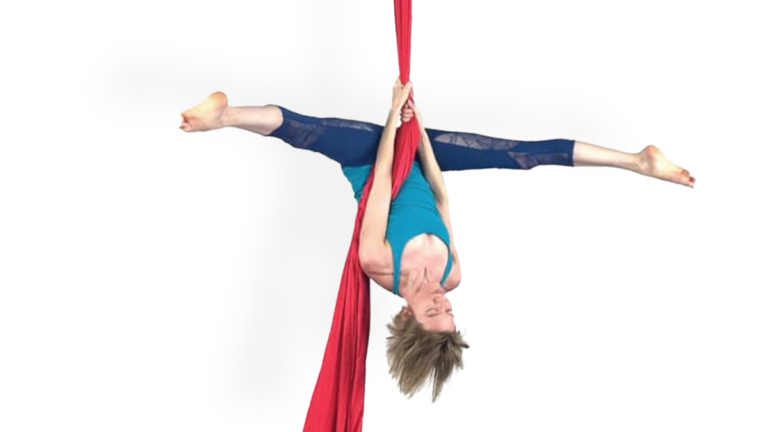
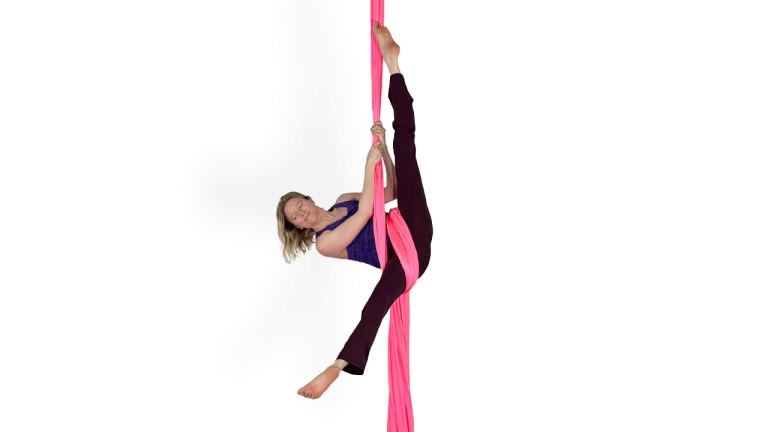
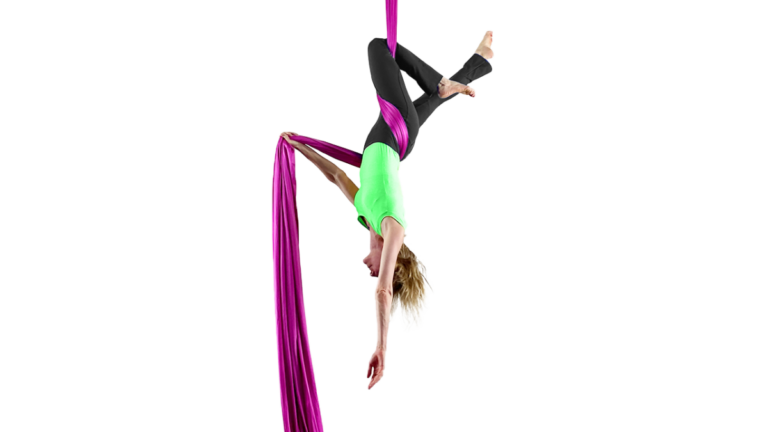
Wheeldown is such a challenging skill, but it is so awesome looking, and unfortunately many people try to do it before they have gotten comfortable with the building blocks. That means they are setting themselves up for a long and frustrating journey.
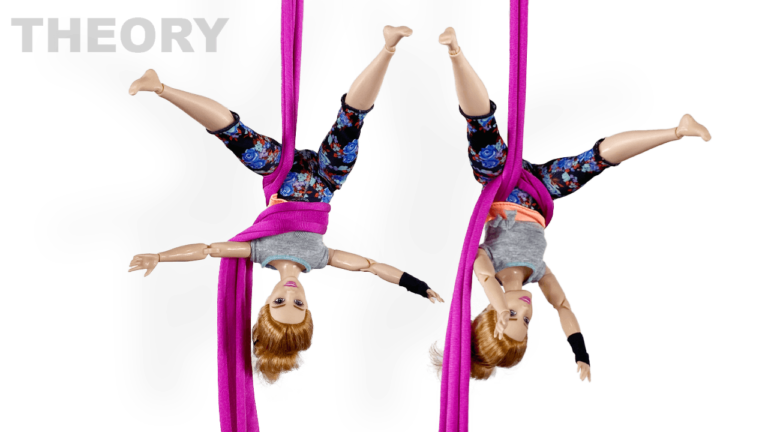
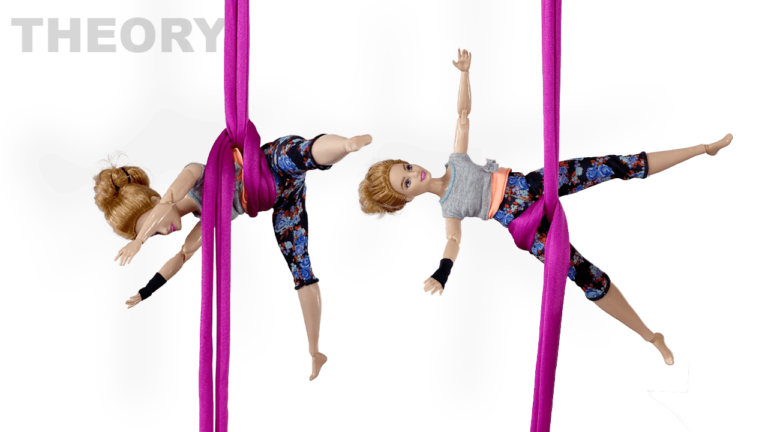
So before we teach Wheeldown we teach the Building Blocks. These are other easier skills that share some components of Wheeldown. Some of them have the same body engagement and shaping, while others use similar fabric theory and understanding.
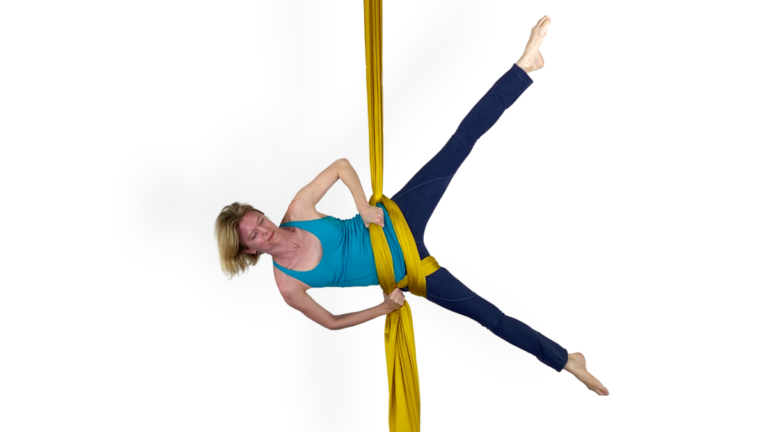
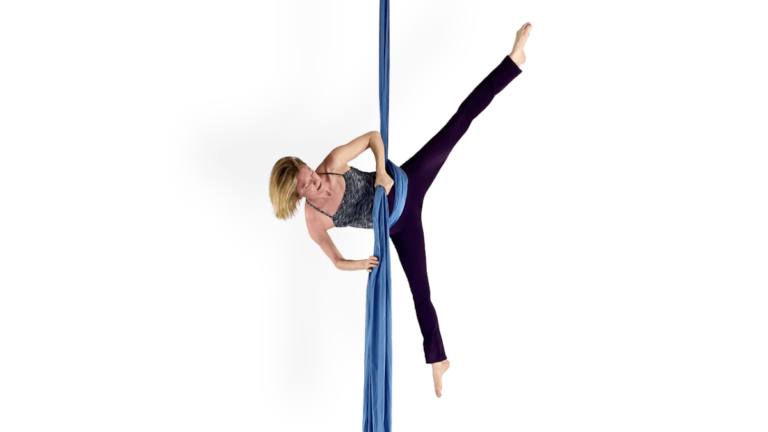
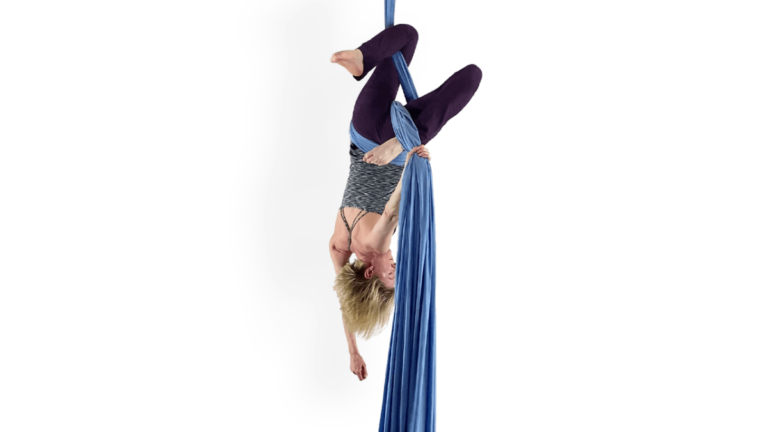
Here are the Building Blocks we make sure students know before introducing Wheeldown to them for the first time. (Members see these building blocks on the Wheeldown Tutorial Page and can click through to see their full tutorials as well.)
These building blocks are fun and awesome skills by themselves. Even if a student never gets to Wheeldown they’re still learning a lot of valuable content regardless. When we are teaching these building blocks to our students, we are aware of where they could lead. So not only do we teach the building blocks because they are fun awesome skills, but also because we know they will help our students succeed at Wheeldown faster when the time comes, and help them have more fun learning it.
Did you know Building Blocks also have their own building blocks?
We sometimes follow the chain backwards in order to help a student achieve a skill. Here are the building blocks for Windstar (which is one of Wheeldown’s building blocks.)
And here are the building blocks for Same Side Crucifix (which is one of Windstar’s building blocks.)
We could eventually follow the chain all the way back to day 1 skills if we keep going! It’s an infinite chain but it’s organized in a way that makes sense and makes content easy to navigate.
Aerialists may not be aware of all the building blocks they are using, but it is obvious when one is missing.
Advance Prep:
Since Building Blocks are their own distinct and unique skills, we typically teach them that way. So in this example we don’t talk about Wheeldown while we’re first teaching its building blocks. We want our students to get satisfaction and joy out of accomplishing the building blocks. And we also hope they will fully explore them as well.
Warm-Up:
When we’re teaching Wheeldown, we will often incorporate some of the Building Blocks into the class. Typically we’ll put them early in the class, towards the end of the aerial warm-up for example. And whatever action in the Building Block is important in a Wheeldown, we’ll instruct our students to focus on that.
So in that way the Building Block preps the student to succeed.
Troubleshooting:
We will sometimes use Building Blocks to help troubleshoot a skill. In this example if a student is having trouble with their Wheeldown because they are placing the fabric too high on their belly, we will revisit the Same Side Crucifix building block with a focus on fabric placement. Now they’re not only troubleshooting a new skill, but also better mastering an old one!
Mixed Levels:
In classes with mixed levels, Building Blocks help keep students working together even though they might be working on different skills. Using Building Blocks means we can have all of the students in class working on a similar action, support, or engagement, even as each student works at the level that’s best for them.
Building Blocks are only the first connection we use in our teaching. In the next article we’ll continue this series by diving into our method for identifying, correcting, and avoiding common mistakes when we teach.
Aerial Fit Online Members see all of these connections when they’re logged into any skill’s page.
“Joining Aerial Fit was one of the best things I’ve ever done as a long time instructor. I consistently learn and grow from your tutorials. Thank you!”
Kristina M.
Check out all of the articles we have on making aerial more fun and faster to learn. All of these concepts are a part of how we approach aerial and how we present our tutorials.
All of the tutorials in our Aerial Fit Online resource include these cross-references. Our website isn’t just a list of skills, rather it is set up exactly like our teachers’ brain. Everything is interconnected in a vast web of options and paths to help guide aerialists toward easier success with their goals.
Make your life simpler, Join Now!
All of our memberships, start with a low cost one week trial period that gives you full access to the membership. You can cancel anytime. Still not sure? We also offer a no credit card required Free Membership.