Having Fun Troubleshooting: Related Skills & Drills

Teaching Concepts |
Guest
Having fun troubleshooting aerial circus with related skills and drills

This is a series we are doing on simplifying the complexity of Aerial.

One of the things we love about teaching and learning aerial is how non-linear it can be. There is almost always another way to get where we are going. What works for one, doesn’t have to be what we use for everyone. Actually there can be so many ways forward, that sometimes the challenge can be in choosing which one is best for which situation.

You know the old saying: There’s more than one way to pet a cat.

Every time we teach a skill we’re thinking more about all the little actions and pathways that make the skill successful rather than the final shape.  And, breaking these little actions into their own drills gives our students a quick path to success with lots of little wins along the way.

The final shape is often misleading

Sometimes we can get overly focused on the final shape of a skill, but the final shape may have very little to do with the process of getting there. How often would a mountain climber practice simply standing and holding a flag?

Instead the focus should be on all of the little steps and small actions along the way.

Once we identify these little actions then we use other skills and drills that uses these actions to prepare students. This approach means students get to learn a lot of additional skills along the way, they have fun getting stronger, and more often than not, they have more success more quickly with fewer plateaus.


A Non-Linear Approach

We like to spiral around the more complicated skills that we teach, approaching them from several different angles over several different sessions. We make this approach work with our related skills and drills.

Level 3 |
Drops & Dives
Wheeldown

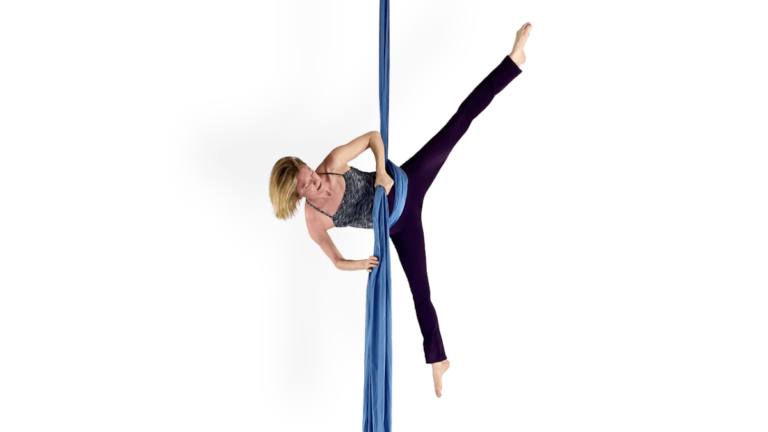
Wheeldown is one of the more enticing skills on aerial silks. It looks so easy when it’s done well, but the experience of simply trying and failing to do the skill over and over leads to frustration, fatigue, and often little progress.

* Paid members will be able to click through all of the links and cross references.

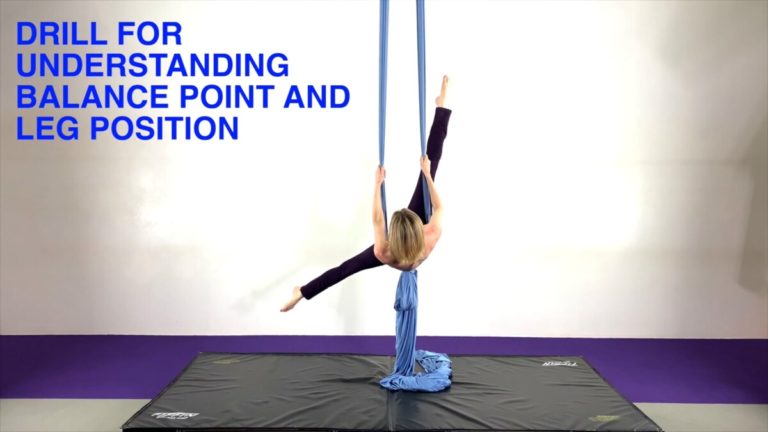
Sometimes the best related drills are uniquely specific to the skill being taught. Kind of like this drill for Wheeldown.

Understanding Balance, Elongation, and Alignment

These drills can be added to a warm-up, whether students are already working on Wheeldown or not. As a bonus, these drills are great for general core and lower body strengthening for a variety of aerial silk skills.

* Paid members will be able to click through all of the links and cross references.

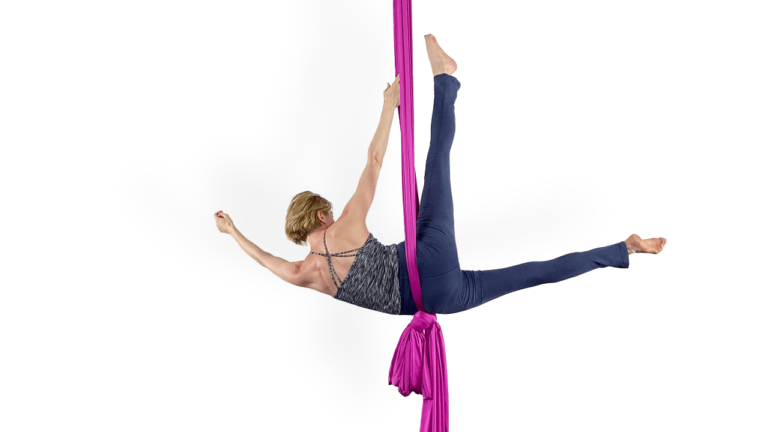
And sometimes the best related drills are major skills of their own, complete with their own building blocks and common mistakes. Each of the skills below shares something in common with Wheeldown, so if we teach one of these skills first, then that action will already be engrained in our students and their Wheeldown learning process will be quicker and easier.

Level 2 |
Footlocks
Level 2 |
Footlocks
Level 1 |
Conditioning
Level 2 |
Conditioning

* Paid members will be able to click through all of the links and cross references.

We also use a lot of ground drills (floor-ials) to help students tap into specific details without the complexity and fatigue of being on the apparatus. We’ll be talking more about Ground Drills next month.


A Linear Approach

Even though we love taking our time, exploring lots of variations, and making tons of new connections, we do still use a direct and linear approach from time to time. Sometimes the best troubleshooting solution is to simply remind students to “Try harder.” Or have them rest for a little bit and then come right back to the same skill.

Rather than thinking of this as an exception to the rule, we try to think of it as simply another tool in our vast aerial teaching tool box.


The expanding universe of skills and drills.

Specific skills are typically great for going right at a problem, but often recreational students don’t want to spend an entire class (and often a month of classes) working on solving one skill. They are much happier if they can learn new skills that also help them troubleshoot a challenging skill at the same time. Happy students stay motivated and keep coming back to class, and seeing your students succeed makes for a happy instructor as well!

 

TO BE CONTINUED…

Related Drills are only one of the many connections we use in our teaching. In the next article we’ll continue this series by diving into our method for incorporating Ground Drills into our aerial teaching process.

Aerial Fit Online Members see all of these connections when they’re logged into any skill’s page.

Simplifying the complexity of teaching and training aerial

Check out all of the articles we have on making aerial more fun and faster to learn. All of these concepts are a part of how we approach aerial and how we present our tutorials.

  1. Making Connections to Simplify the Complexity of Aerial: Building Blocks – Understanding the prerequisites and building blocks of each skill means that students are set up to succeed.
  2. Solving Problems Before They Start: Common Mistakes – Knowing the mistakes and problems that are likely to happen makes it easier to progress more quickly with less frustration.
  3. Having Fun Troubleshooting: Related Skills & Drills – Aerial is hard, but that doesn’t mean we can’t have fun overcoming the challenges that arise along the way.
  4. Bring it to the Floor: Ground Drills for Aerial – It is amazing how much of the aerial journey can be facilitated by using clever ground drills.
  5. Add a Little Spice: Variations for Aerial – Knowing different variations makes it easer to adjust and adapt to more situations.
  6. Planning Ahead: Next Steps & Future Goals for Aerialists – Having a clear vision of where you are heading makes the journey much more enjoyable.
  7. Teaching with Purpose: Sequences Part 1 – “Teaching Sequences” help students learn technique and important aerial concepts.
  8. Creativity with Confidence: Sequences Part 2 – “Performance Sequences” help students become better performers and connect with their audience.


All of the tutorials in our Aerial Fit Online resource include these cross-references. Our website isn’t just a list of skills, rather it is set up exactly like our teachers’ brain. Everything is interconnected in a vast web of options and paths to help guide aerialists toward easier success with their goals.


Make your life simpler, Join Now!

All of our memberships, start with a low cost one week trial period that gives you full access to the membership. You can cancel anytime. Still not sure? We also offer a no credit card required Free Membership.


Leave a Reply

Your email address will not be published. Required fields are marked *